Crystalyn Kae Blog








The Winged Scroll Jacquard reflects a transitional moment in airline interior design, where abstract, flowing forms replaced rigid geometrics. The mirrored, wing-like shapes echo aviation themes without literal symbolism, creating a sense of movement, warmth, and modernity suited to long-haul travel in the early jet age.
This textile is part of an ongoing material archive documenting commercial interior fabrics developed during the jet age. The fern-pattern upholstery shown here was woven as a Boeing aircraft interior development sample for Delta Air Lines’ 727 fleet and preserved through the estate of a former Boeing employee.
Below is the archival record for this fabric, including its origin, intended use, and material context.
A rare discovery from a Boeing pilot’s estate inspired a special collaboration with Seattle’s Museum of Flight. Crafted from genuine mid-century airplane upholstery, this limited run of 96 one-of-a-kind bags connects aviation history with sustainable design.
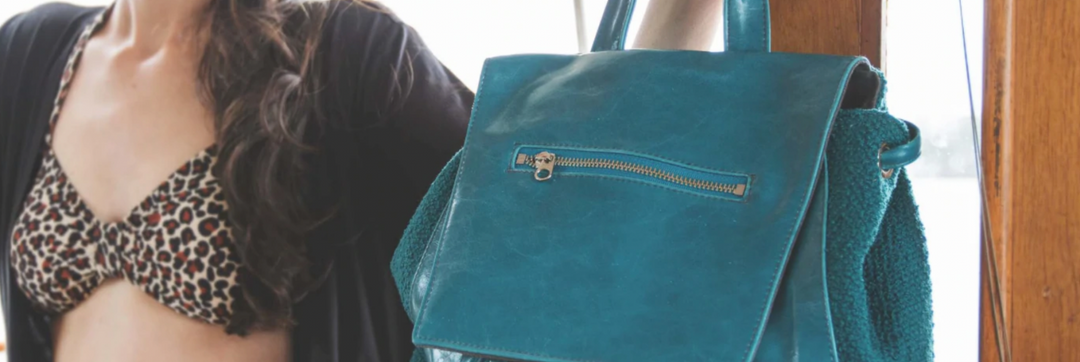
A coated canvas bag begins with a strong woven fabric that’s treated with a permanent protective glaze. Unlike faux leather or polyurethane, coated canvas won’t peel or crack—and at Crystalyn Kae, ours are even machine washable. For nearly 25 years, this eco-conscious material has been the backbone of our most-loved, long-lasting bags
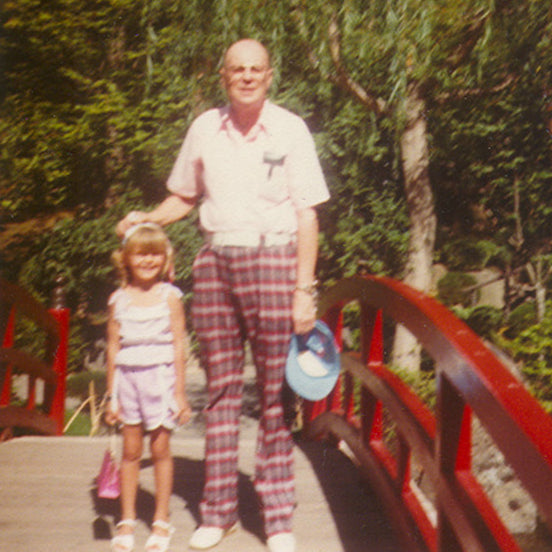
Plaid has always inspired me — from my grandfather Jack’s bold pants to the very first bags I stitched in 2001. Today, I’m bringing plaid back with a limited-edition collection of handmade bags crafted from rare vintage fabrics. Built to last and designed to look better with every wear, these plaid favorites are sure to sell out quickly!
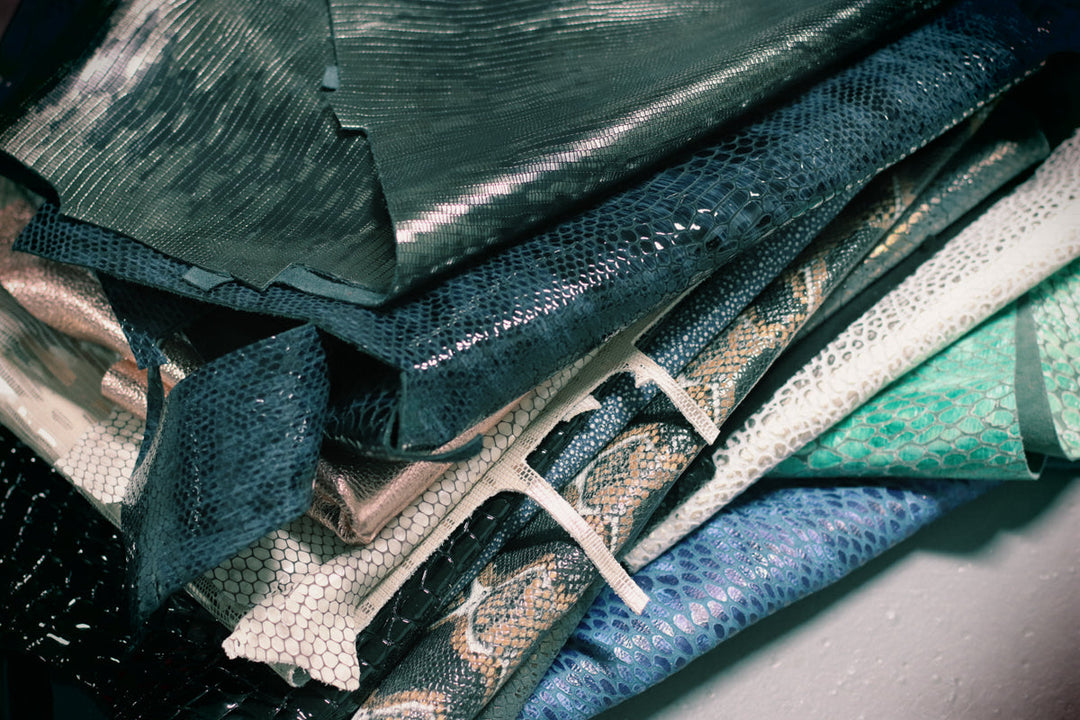
Croc-embossed leather doesn’t come from crocodiles—but how it’s made might surprise you. Learn how this material is created, why it’s considered a more responsible option, and how our approach to reclaimed materials has evolved over time.
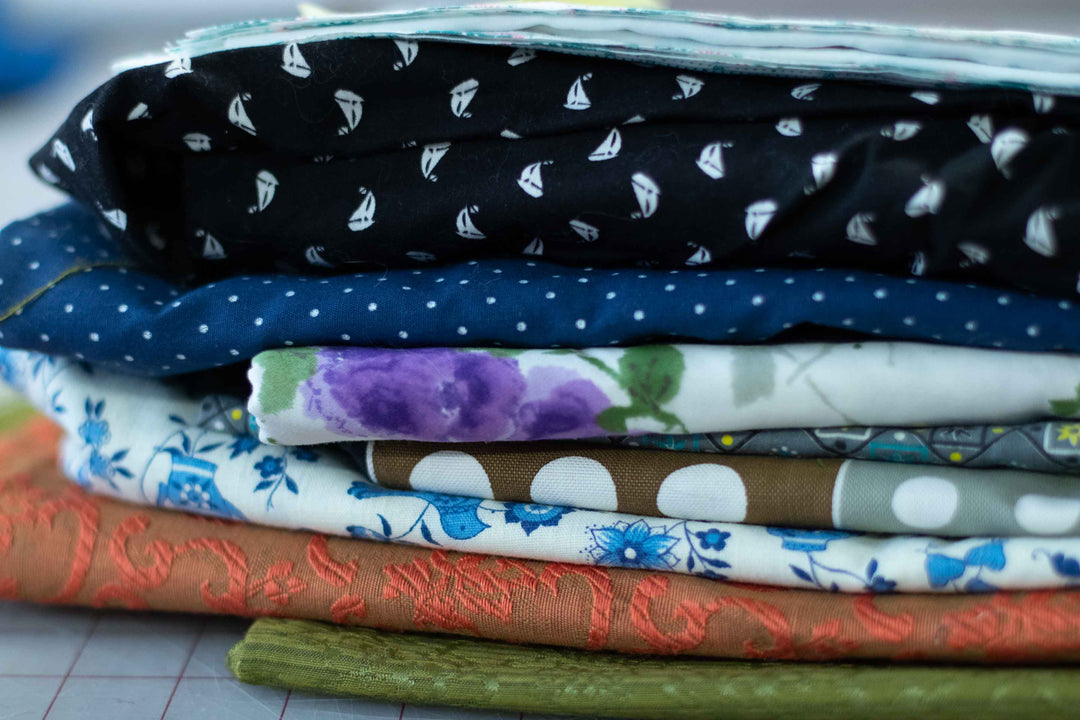
Vintage fabrics give every Crystalyn Kae bag its own personality. Here are seven of the places those materials are discovered—from estate sales and textile recycling programs to flea markets abroad.
At a Seattle estate sale, I discovered the home and materials of mid-century designer Howard Blair—known for dressing Seafair princesses and creating bridal gowns for Frederick & Nelson. Among the treasures were remarkable upholstery fabrics and sketches that offer a glimpse into a forgotten chapter of Seattle fashion history.
From grandma’s couch to a timeless handbag — see how we transformed stacks of midcentury vintage upholstery swatches into one-of-a-kind floral bags. A behind-the-scenes look at our process, from washing the fabrics to cutting them into new life
Once relegated as an upholstery fabric until made fashionable by Coco Chanel in the 1950's this textural fabric called Boucle has become a classic staple of French style. Popularized further in the 1960's by Jackie Kennedy, boucle has become a mainstay of today's fashion.
While thrift shopping in Seattle, Crystalyn discovered an entire roll of unused boucle fabric that just begged to be made into bags.
Zippers are one of the most overlooked components in a handbag — and one of the most important. With decades of experience designing bags, we explain why YKK zippers matter, how they’re chosen, and how small decisions like hardware can shape long-term wear.
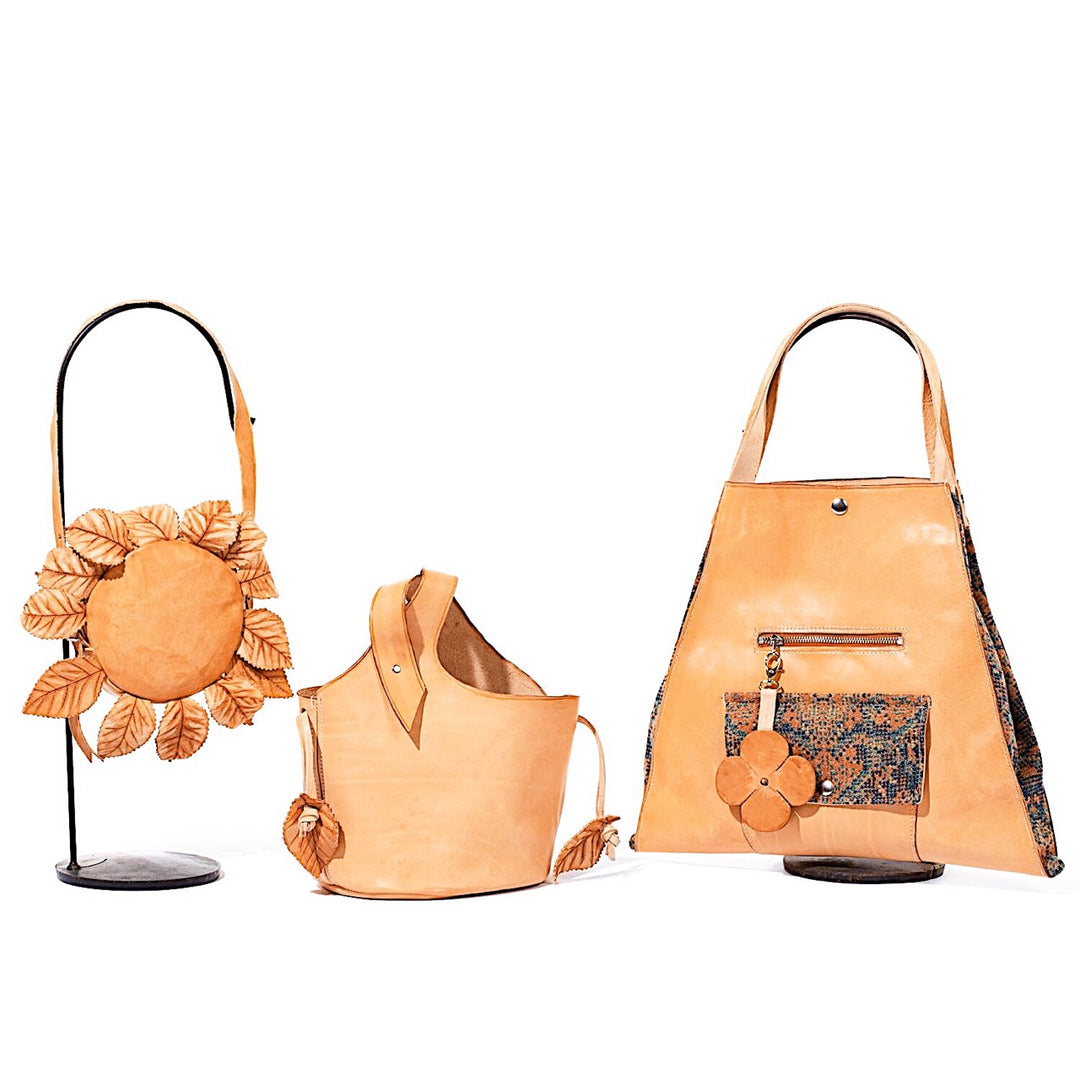
In May 2018, I spent nearly a month in Tuscany, immersed in a region renown for olive oil, wine, truffles and leather. Inspired by a culture so connected to the land in a mindful way, I relished this rare opportunity to explore an ancient tradition working with vegetable-tanned leather.
I am a material driven-designer, with longevity and timelessness being paramount to my aesthetic: any object of value has to tell a story. Working with this pliable material in its natural state enabled me to combine my skills in textiles and woodworking in the most exhilarating way.
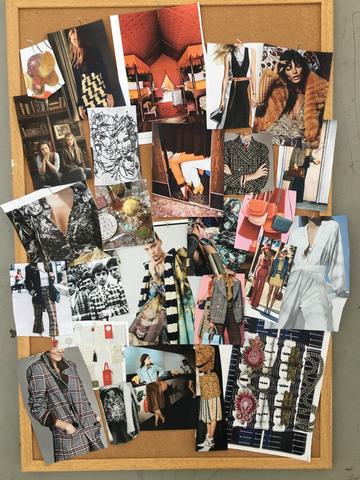
Here's a peek behind the scenes of creating the collection.
Handcrafted in Seattle since 2001, Crystalyn Kae creates sustainable bags made from upcycled leather, vintage upholstery fabrics, and machine-washable coated canvas.
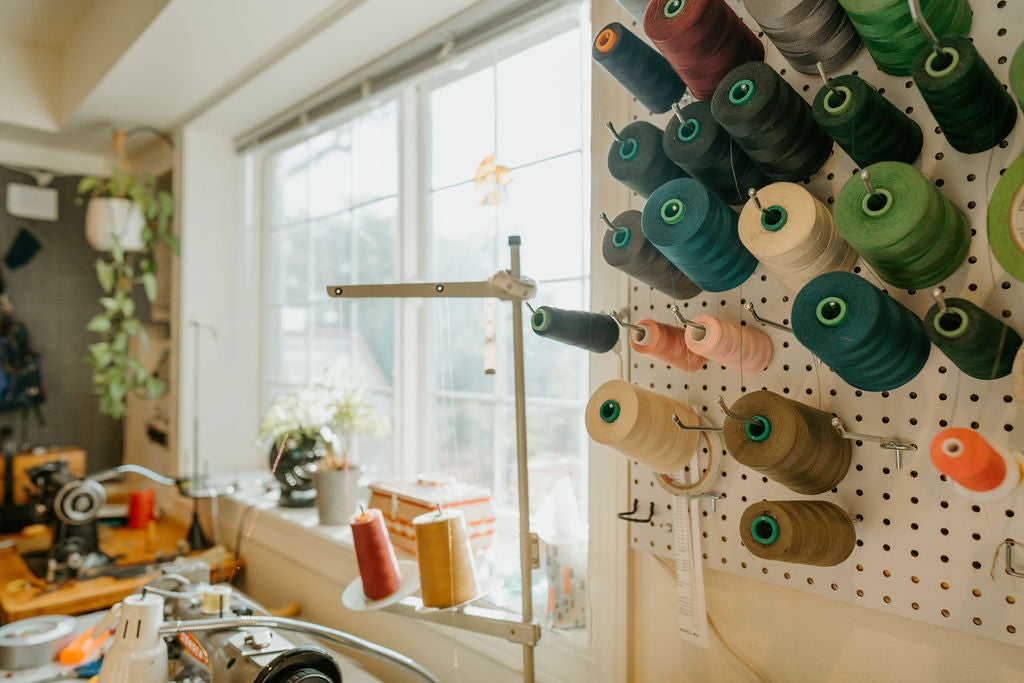
Each piece is sewn in small batches on restored vintage industrial machines and designed to last for years of daily use.
Woman-owned, ethically made, and thoughtfully crafted for real life.