


During my time as a Venture Fellow at the Brooklyn Fashion + Design Accelerator (BFDA), (2014-2018) I had the rare opportunity to step back from the daily demands of running a brand and take a deeper look at what sustainability in fashion actually means.
The program brought together designers, researchers, and industry experts to examine the environmental and social impacts of fashion from many angles — materials sourcing, production systems, labor practices, and supply chain transparency.
It was one of the first times I saw sustainability discussed not as a marketing claim, but as a complex system of decisions that influence one another.
That perspective fundamentally changed how I think about design.
Seeing Fashion as an Interconnected System
One of the most valuable tools we used at the BFDA was a framework that encouraged designers to evaluate the entire lifecycle of a product, rather than focusing on a single material or claim.
Fashion products exist within a network of interconnected systems:
-
raw material extraction
-
textile production
-
manufacturing
-
labor practices
-
transportation
-
product longevity
-
end-of-life disposal
When designers focus on only one part of that system — for example, swapping one material for another — it can sometimes obscure the larger picture.
The sustainability framework we discussed at the BFDA helped designers visualize how these decisions interact.
Instead of asking a simple question like “Is this material sustainable?” the more meaningful question became:
Where does the greatest impact actually occur?

The Surprising Impact of Materials
One of the sustainability insights that often surprises people involves the materials themselves.
When customers see a coated canvas bag, they sometimes assume that the thin protective coating must be the least sustainable element of the material.
But in reality, the largest environmental impact often comes from the cotton base fabric, largely because of the enormous amount of water required to grow conventional cotton.
It’s a good reminder that the most visible part of a product isn’t always where the biggest environmental impact lies.
The Parts We Rarely Think About: Hardware
Another impact that rarely gets discussed is hardware.
Most bag hardware is made from zinc alloys, which require mining and energy-intensive processing. While hardware can seem like a small detail, those components add up across millions of products.
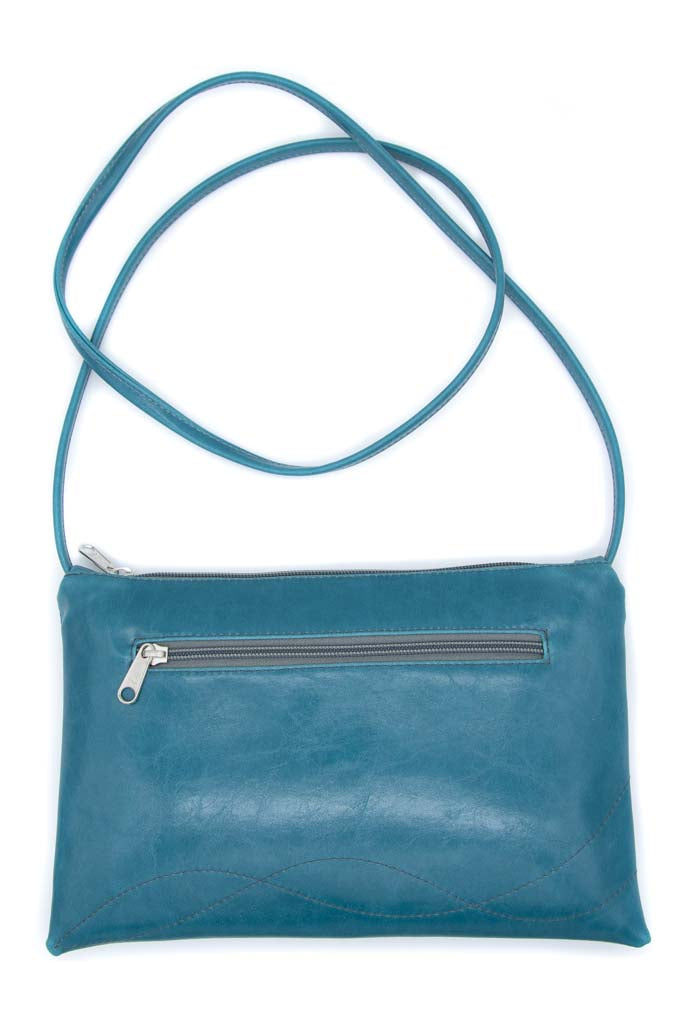
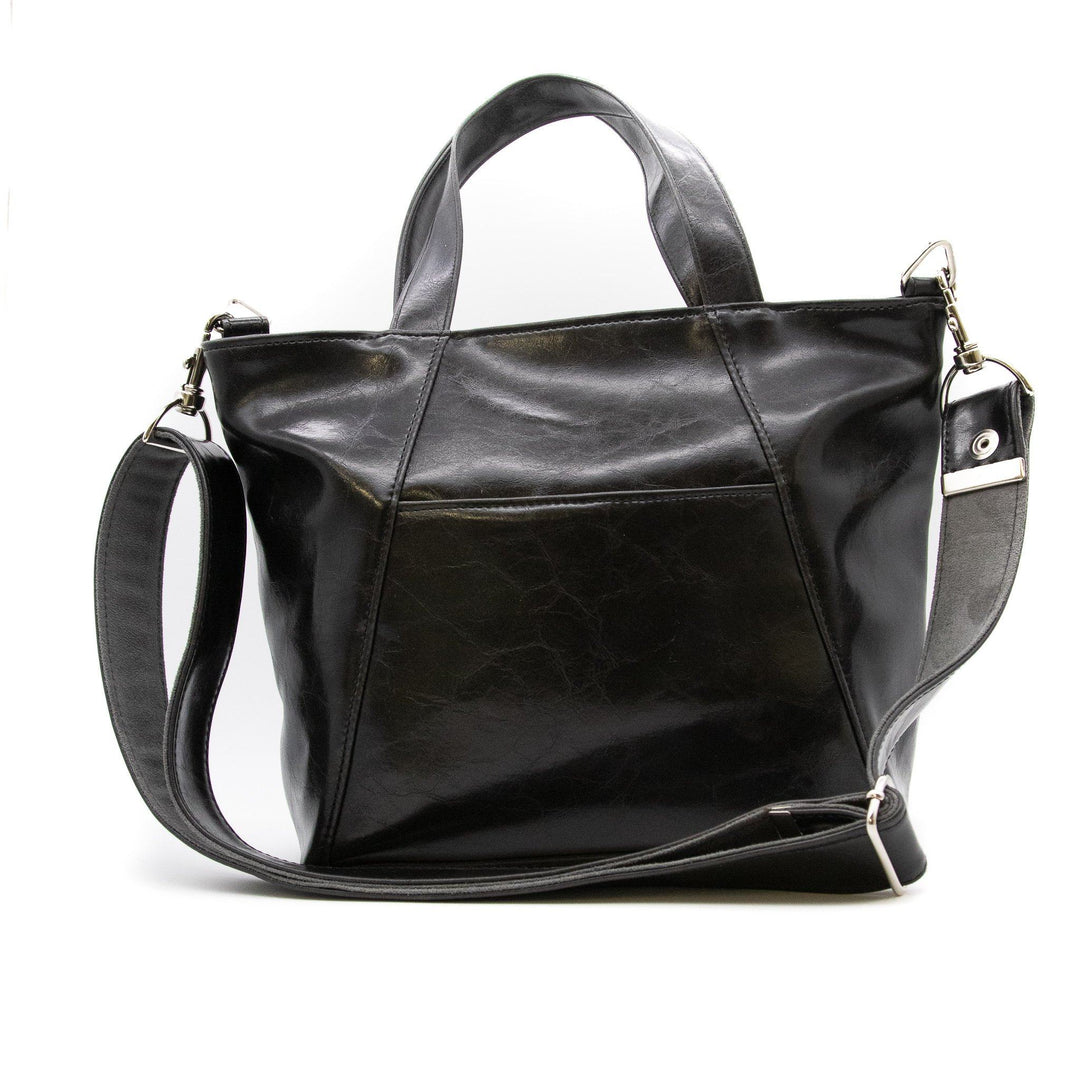
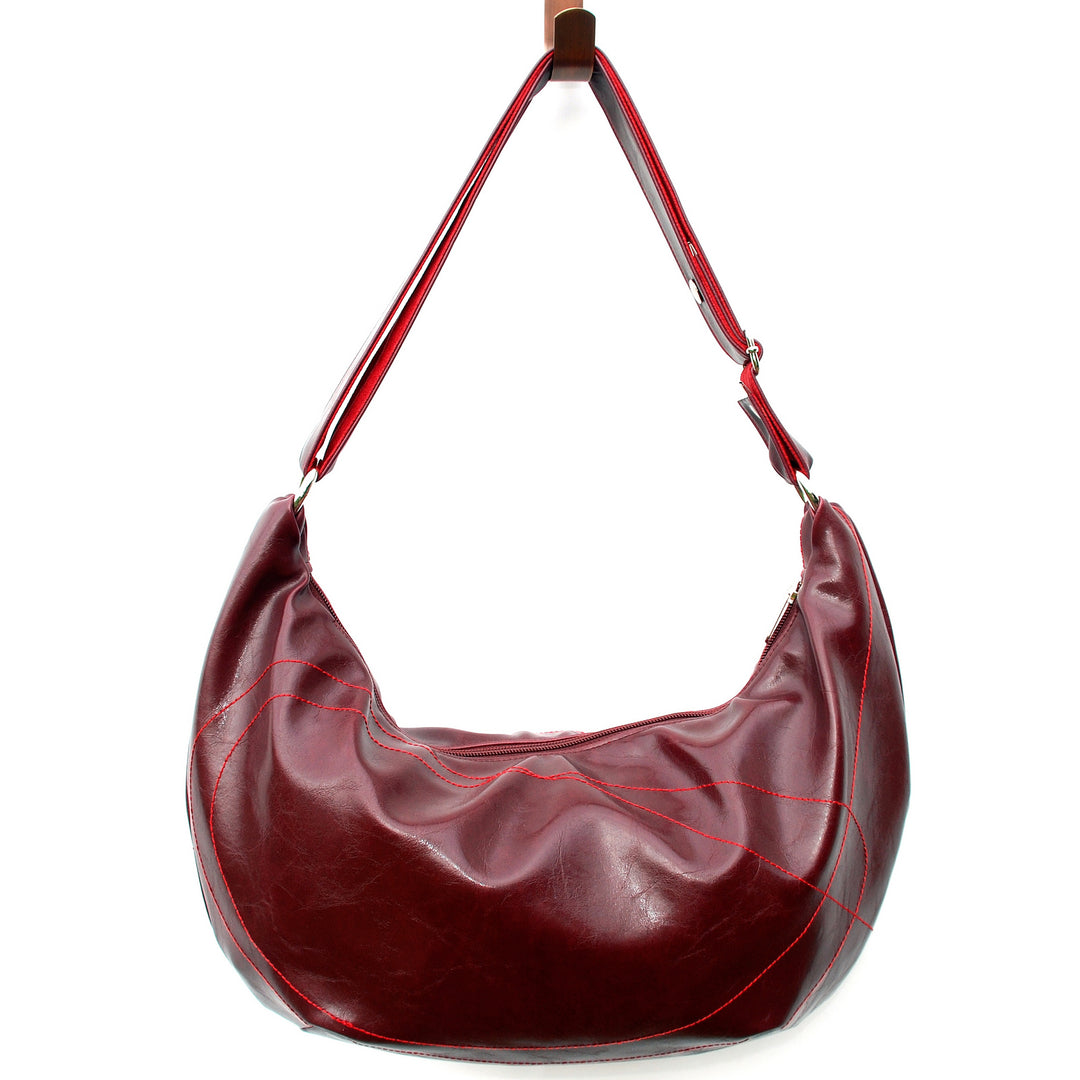
This is one of the reasons I design my bags with minimal hardware whenever possible.
It creates a cleaner aesthetic, but it also reduces the number of additional materials required to produce the bag in the first place.
What that means in real life:
- The bag stays lightweight, even when full
- It feels soft and broken-in, not stiff or bulky
- You won’t hesitate to use it daily—it’s built to handle it
- The weight comes from what you carry—not the bag itself
Most of the heaviness people associate with handbags actually comes from excess hardware. We keep ours minimal on purpose—so the bag moves with you, not against you.
Reducing hardware doesn’t just change how a bag feels—it also reduces overall material use, lowers shipping weight, and cuts down on the energy required to move products from place to place.
Designing with fewer components is often one of the simplest ways to reduce complexity, reduce material inputs, and create products that are easier to repair and keep in use longer.

Why Labor Matters More Than Most People Realize
While materials receive much of the attention in sustainability conversations, one of the most significant impacts in fashion often comes from something else entirely: labor and production systems.
Choosing to manufacture locally with skilled workers dramatically changes the social and economic footprint of a product.
At the BFDA, these conversations helped reinforce something I already believed deeply — that sustainability is not just about materials. It’s also about who makes the product and under what conditions.
Supporting skilled local manufacturing can have a profound impact on communities, craftsmanship, and the long-term resilience of the industry.
A Short Conversation About Sustainability at BFDA
In this short interview filmed during my time at the BFDA by Converted Closet, I talk about one of the sustainability insights that surprises people most — that the most visible material in a product isn’t always where the biggest environmental impact occurs.
Converted Closet has done incredible work documenting designers who are pushing the fashion industry toward more responsible practices, and I’m grateful to have been included in this conversation.
Designing with the Long View in Mind
The systems-thinking approach I encountered at the BFDA continues to shape how I design today.
Rather than focusing on a single sustainability claim, I try to consider the broader picture:
• the materials used to make a product
• the people who manufacture it
• the durability and lifespan of the design
• how long the product will stay in use
In many ways, the most sustainable bag in the world is the one you already own.
But when new products are made, the goal should be to design them thoughtfully enough that they remain useful — and loved — for as long as possible.
The conversations and mentorship I experienced at the Brooklyn Fashion + Design Accelerator helped reinforce that philosophy, and those lessons continue to guide my work today.





Leave a comment