


This one stops you in your tracks.
The pattern is geometric — interlocking diagonal stripes that fold in on themselves to form hexagons, then fold back out again. Up close, it almost vibrates. Step back, and it resolves into something bold and completely intentional, the kind of design that clearly came from someone who understood that the inside of an airplane wasn't just a container. It was the first impression.
We've been calling it the Hexagon, because the repeating geometry is the first thing you notice. But the longer you live with it, the more you see: the way the stripes shift between matte and sheen depending on the light, the way each colorway creates an entirely different emotional register. The warm version arrives in deep orange, brick red, and bark brown — colors that could have come straight from a 1970s airline catalog. The cool counterpart answers in electric blue-green and kelly green, the kind of colors that felt futuristic in the jet age and somehow still do.

What makes this fabric documentable is the tag. Tucked into the original yardage, still intact: Collins & Aikman Transportation Fabric, Style ST 8842A, Nylon FR-Airgard. That last designation is the tell — "Airgard" was Collins & Aikman's proprietary label for aviation-specification flame-retardant fabric. This wasn't made for a hotel lobby or a rail car. It was made for the inside of an airplane, and the tag proves it. Collins & Aikman listed four colorways on the original spec: -145 Red, -146 Brown, -147 Orange, -148 Pink — each one submitted to an airline client for selection, the way a fabric house has always worked.

The warm colorway, in particular, reads unmistakably like one carrier: Braniff International. Braniff was obsessed with color in a way no other airline dared to be. They painted their planes in candy solids, dressed their flight attendants in Emilio Pucci, and in 1965 commissioned Alexander Girard to redesign their entire interior aesthetic — the year they declared the End of the Plain Plane. Bold geometric stripes, oversized color blocks, an electric palette that announced itself the moment you stepped through the door. The Hexagon fits that world exactly. We can't confirm the airline yet. But everything about this fabric says: these were the colors someone chose when they still believed design could make you feel something.


The construction is a woven jacquard — the pattern built directly into the textile structure, not printed on top. That's what gives it the depth, the subtle sheen, the sense that it's doing something even when it's sitting still. It's also what has kept it sharp across fifty years of storage. The geometry is exactly as the loom left it. The colors haven't shifted. It arrived here the way it left the mill: unused, uninstalled, waiting.
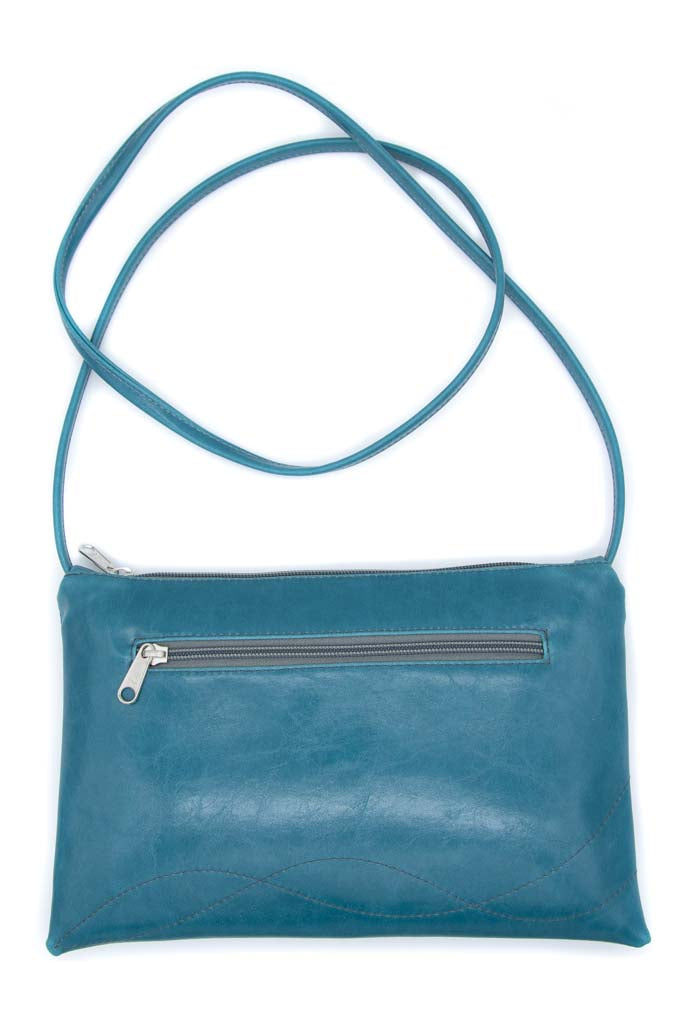
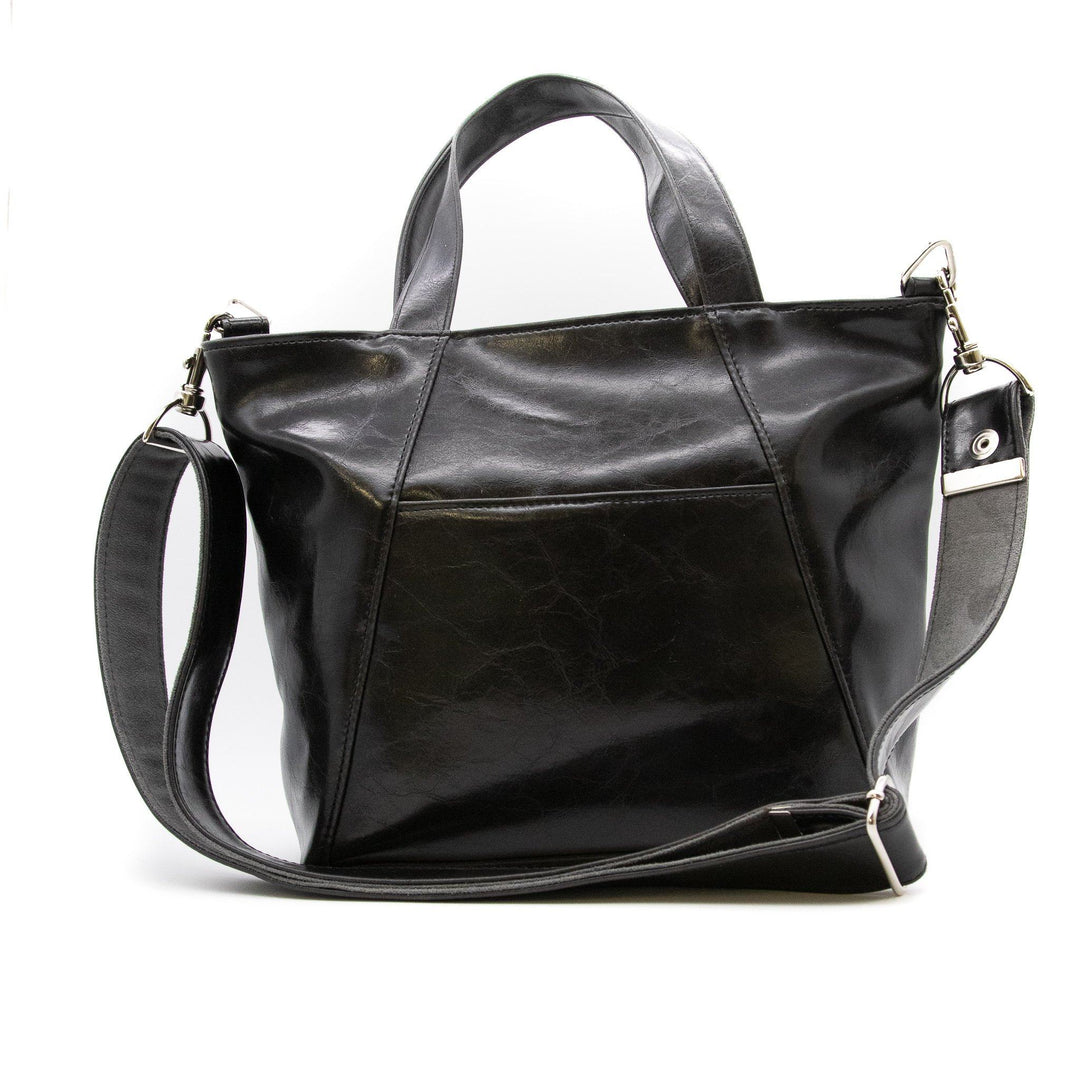
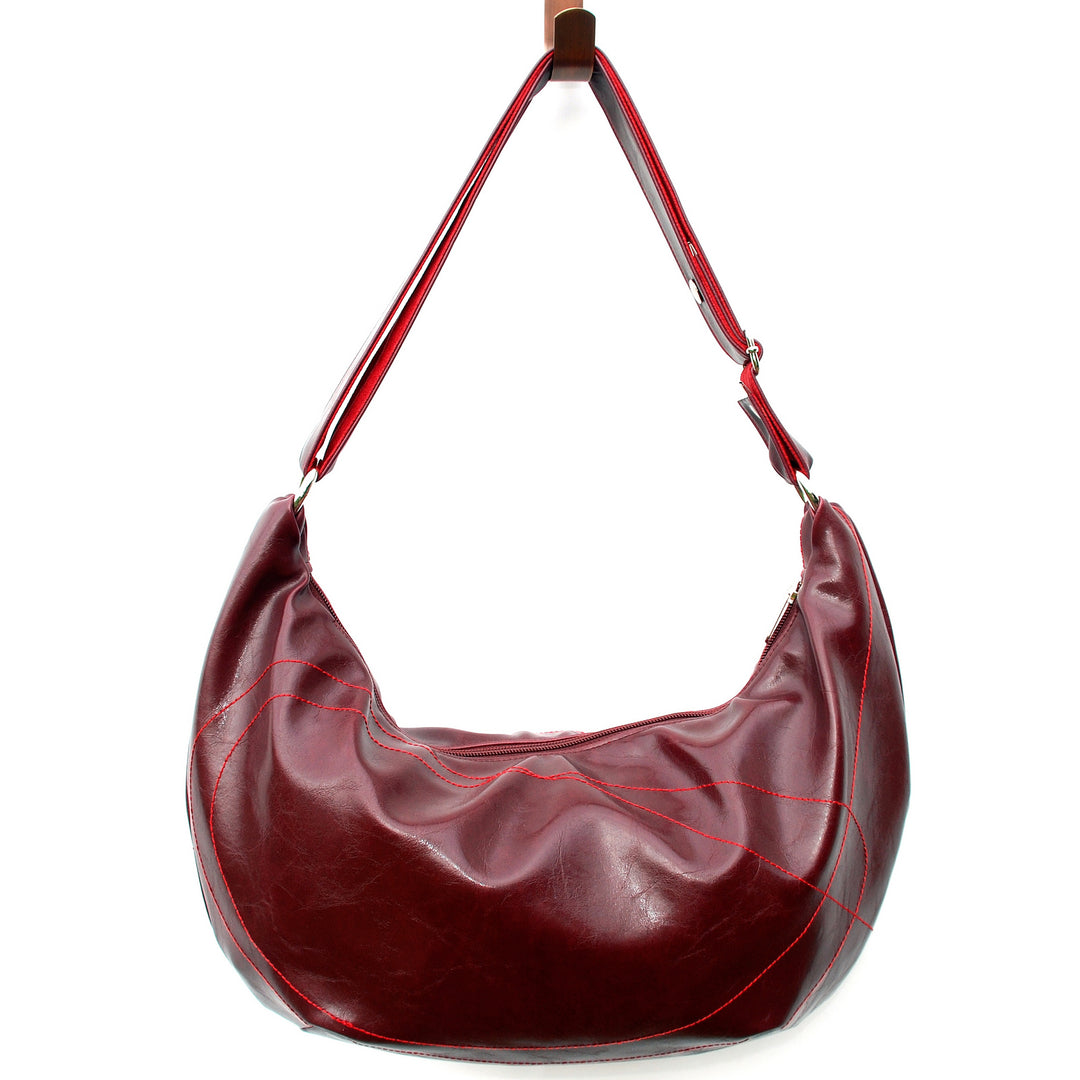
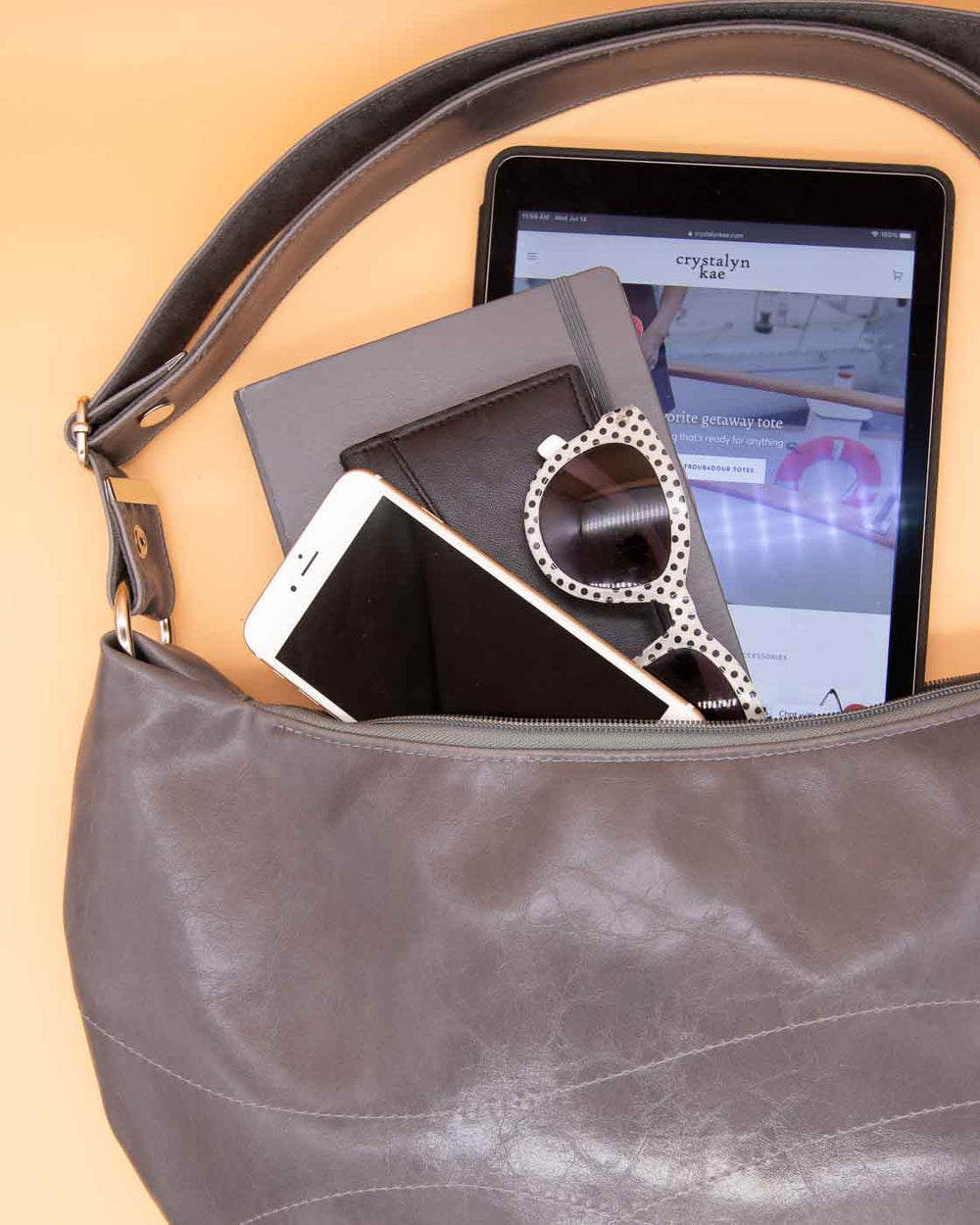
Now it travels differently. As a bag — still doing what it was designed for. Holding up to real life. Announcing itself in a room. Carrying a little of that era when flying felt like the beginning of something.




Leave a comment