


Where most leathers are processed to remove the hair, this material does the opposite—it leaves the hair intact, creating a soft, tactile surface with a rich, almost velvety feel.
Despite the name, “pony hair” doesn’t come from ponies. It’s typically made from cowhide, carefully treated so the natural hair remains on the surface.
This technique has been used for decades—not just for its look, but because it allows designers to highlight the natural texture and pattern of the hide in a way that feels both distinctive and timeless.
From vintage accessories to modern runway pieces, pony hair has held its place as a material that instantly adds depth, contrast, and visual interest.
Pony Hair: Why people love it
Designers have returned to this material again and again for one reason: it creates instant visual impact.
Pony hair evokes a long history of bold, expressive style—from the glamour of the Hollywood Golden Age to contemporary collections. Its appeal lies in that contrast: soft yet structured, natural yet graphic.
It can be dyed, patterned, or left raw—making it one of the most visually versatile materials in handbag design.
You may also hear it referred to as haircalf, calf-hair, or hair-on-hide—all variations of the same idea: leather with the hair left intact to create texture and depth.

Why Hair-On-Hide Became a Classic
Hair-on-hide leather wasn’t originally created as a luxury statement—it was a practical one.
By leaving the hair intact, makers could use more of the hide, add durability, and create natural texture without additional processing. Over time, that combination of function and visual richness turned it into a recognizable design choice.
That’s why it continues to show up across decades—it’s not just a trend, it’s a material with staying power.
Where Beauty Meets Real Life:
Pony hair is undeniably beautiful—rich in texture, visually striking, and full of character. But it also asks for a certain level of care.
It’s not always the easiest to clean, and it’s often better suited for occasional use rather than everyday wear.
That tension—between wanting something special and needing something practical—is something we think about a lot in our designs.
Sustainably Sourced Materials
The fashion industry's growing consciousness around sustainability has brought a renewed focus to how materials are sourced.
At Crystalyn Kae, we work with organizations like FabScrap, which rescues full hides from high-end fashion designers in New York City—materials that might otherwise go unused despite their quality.
These hides are often samples or archive materials from tanneries and fashion brands. By working with them, we’re able to create small-batch designs that make thoughtful use of what already exists.
Our bags are made in the USA, allowing us to maintain high standards of craftsmanship while working with materials that require a more hands-on, intentional approach.

How We Design From That Insight
Understanding how materials behave in real life—not just how they look—is what shapes how we design our bags.
Pony hair has a beautiful, tactile quality and a long history in fashion. But it also requires a bit more care and intention in how it’s used and worn.
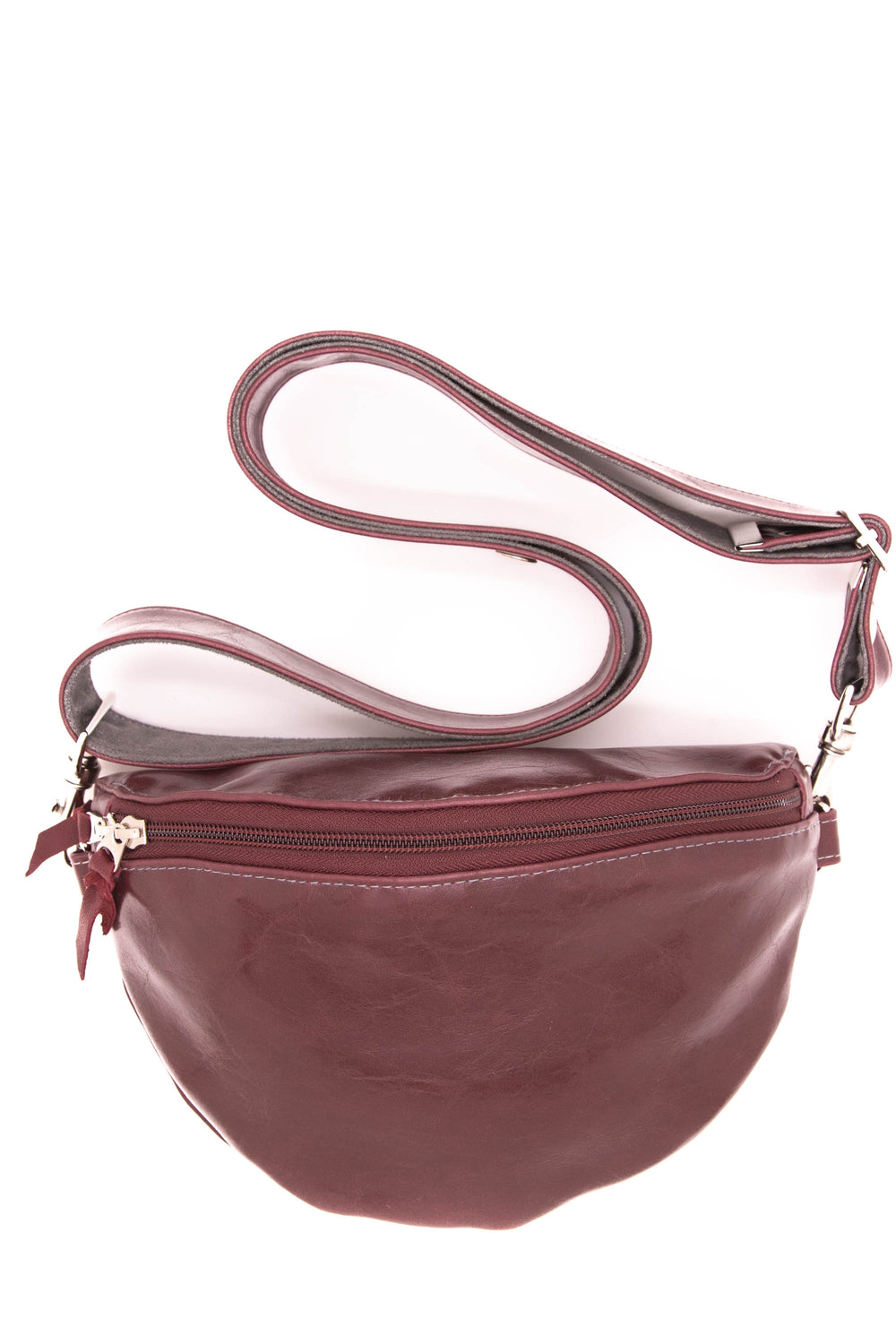
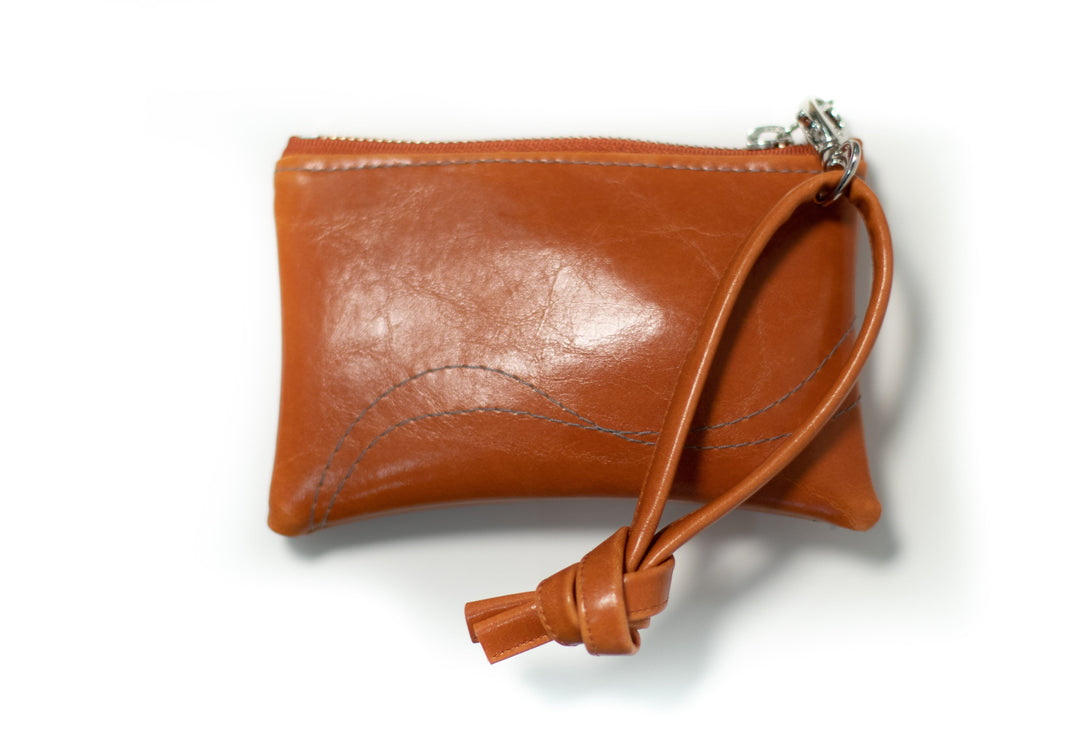
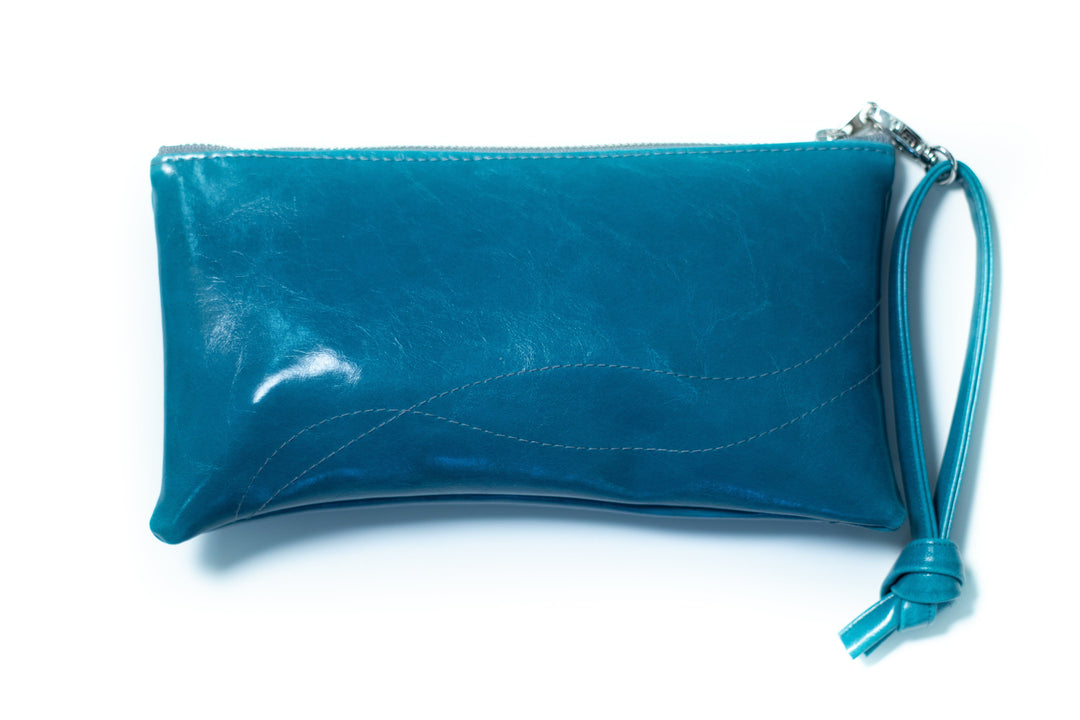
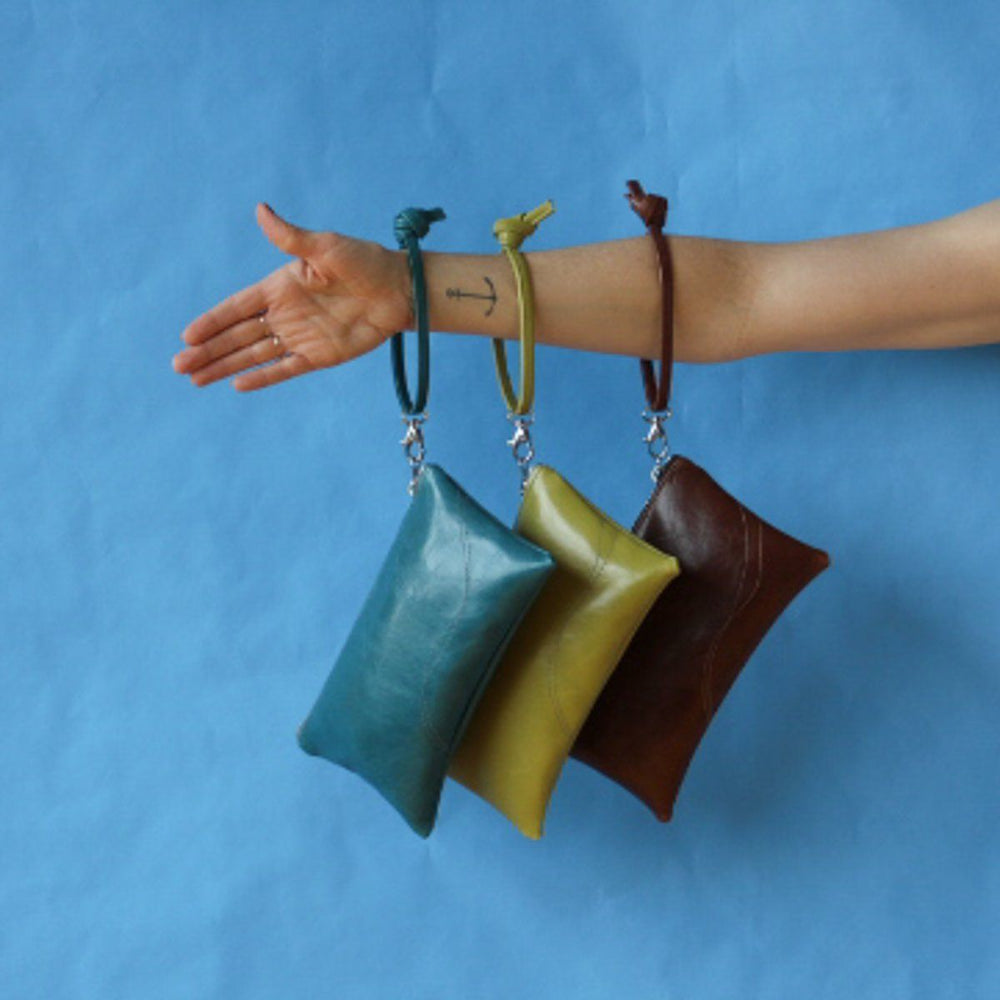
That’s what led us to focus on materials that offer that same sense of richness and character—while being easier to live with day to day.
For many of our designs, that means choosing materials that are:
- Lightweight from the start
- Flexible and comfortable to carry
- Durable enough for everyday use
- Easy to clean and maintain
Because a bag shouldn’t just look good on the shelf—it should feel effortless to use in real life.
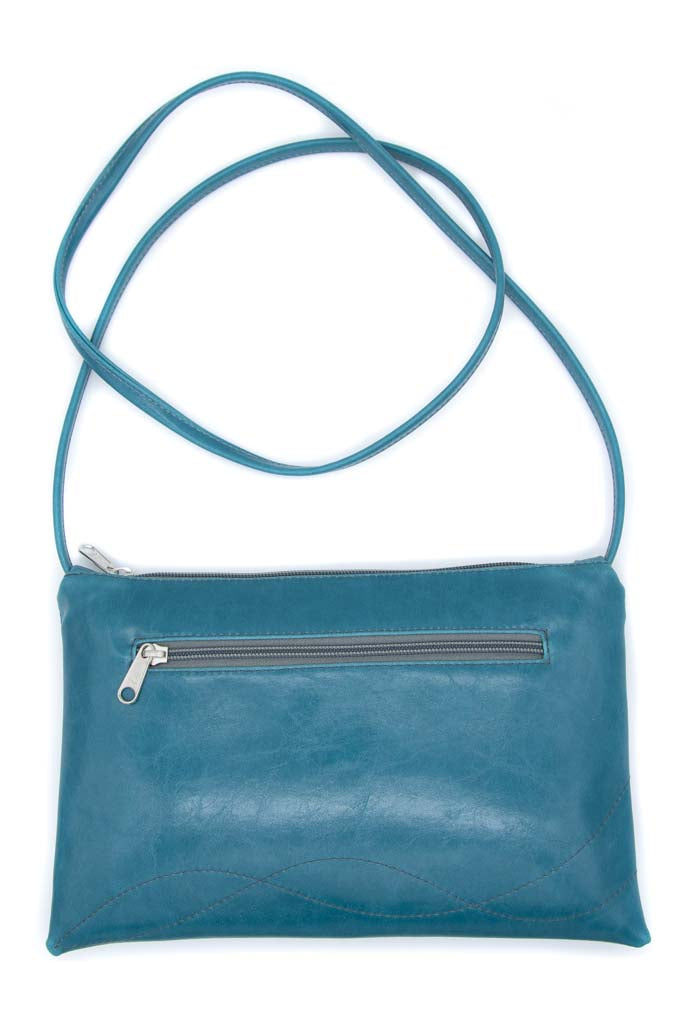
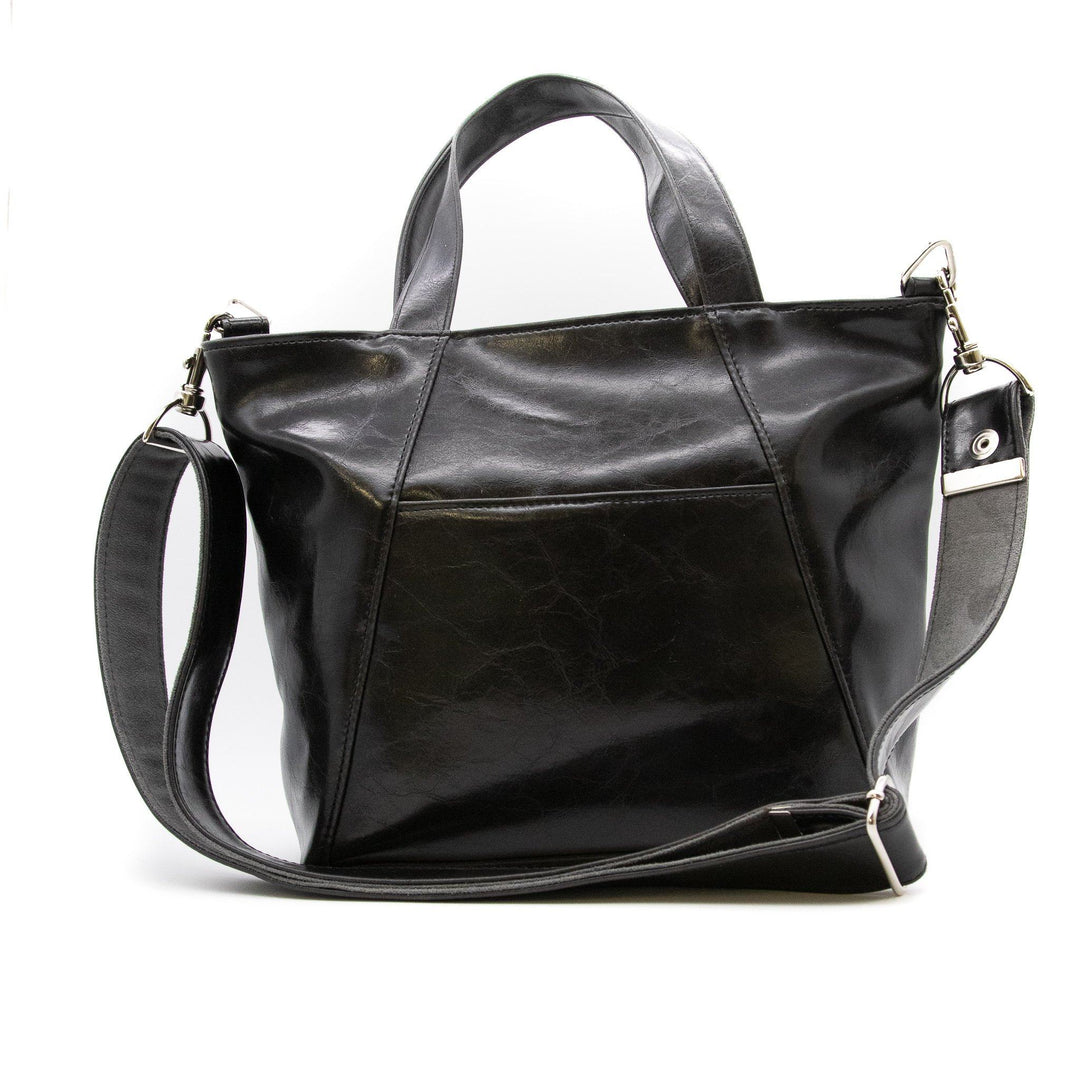
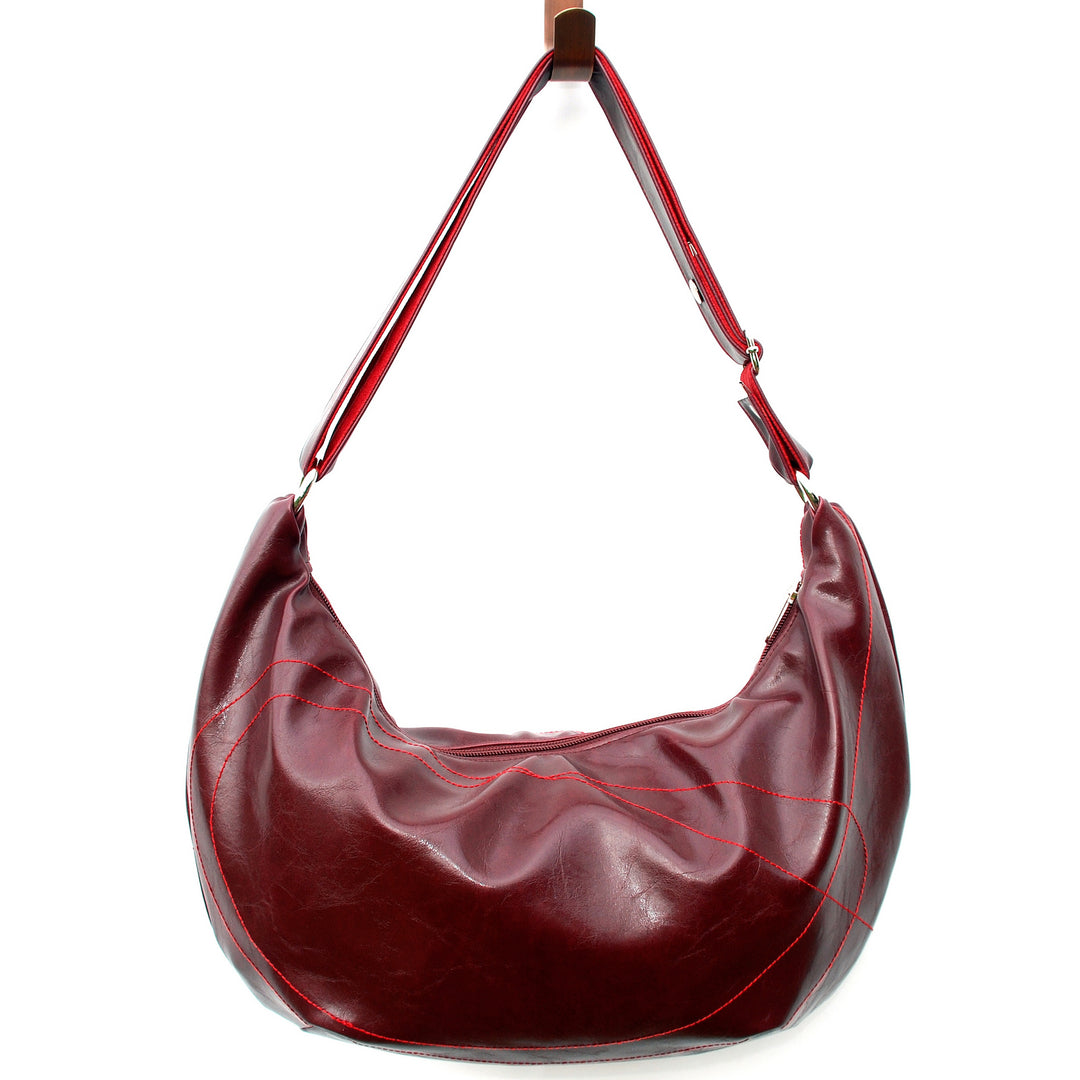
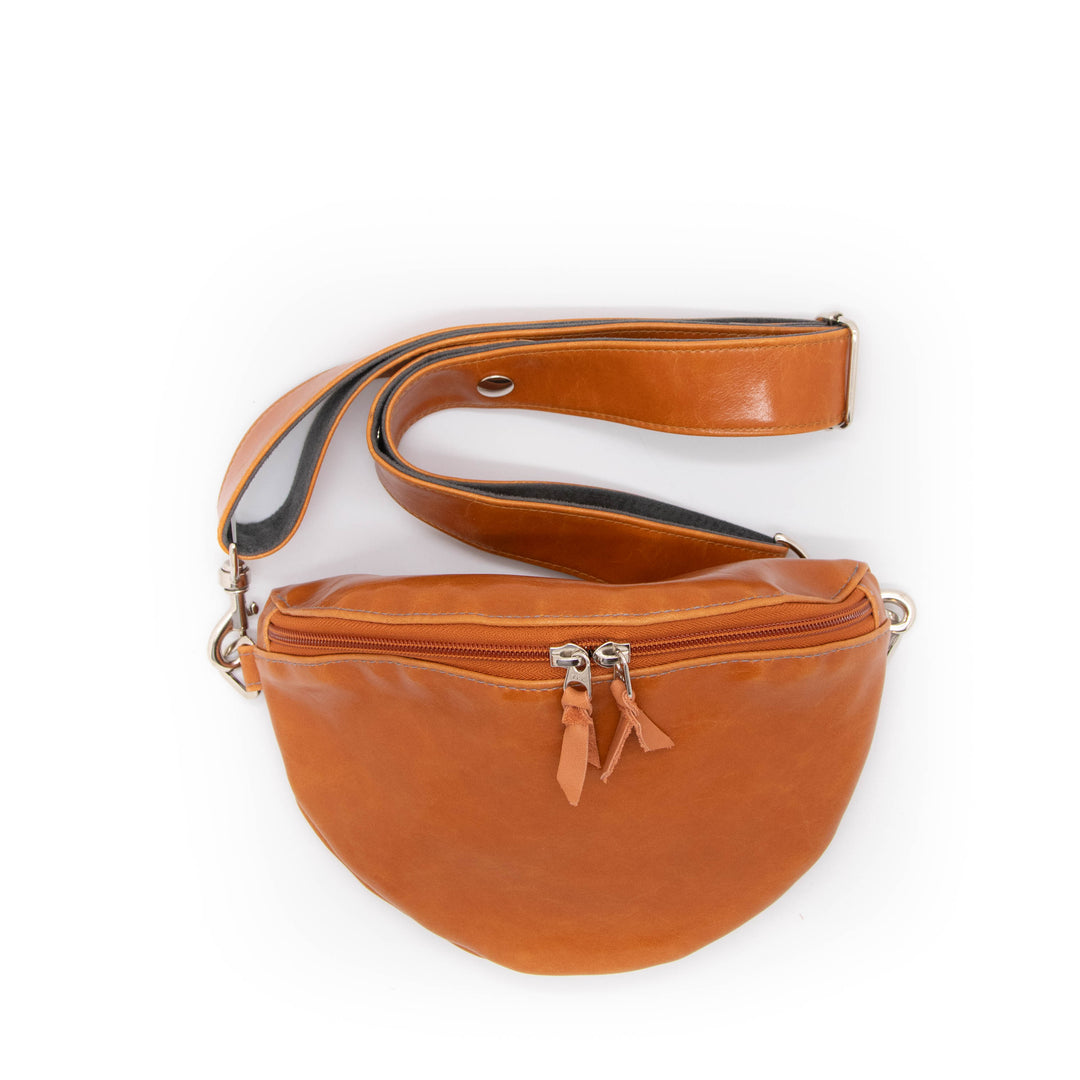
If you’re drawn to that same depth and texture, but want something you don’t have to think twice about using every day, this is exactly what led to designs like our Foxtrot Hobo.
👉 Explore the Foxtrot Hobo →








Leave a comment